The practical guide
Light, window by window
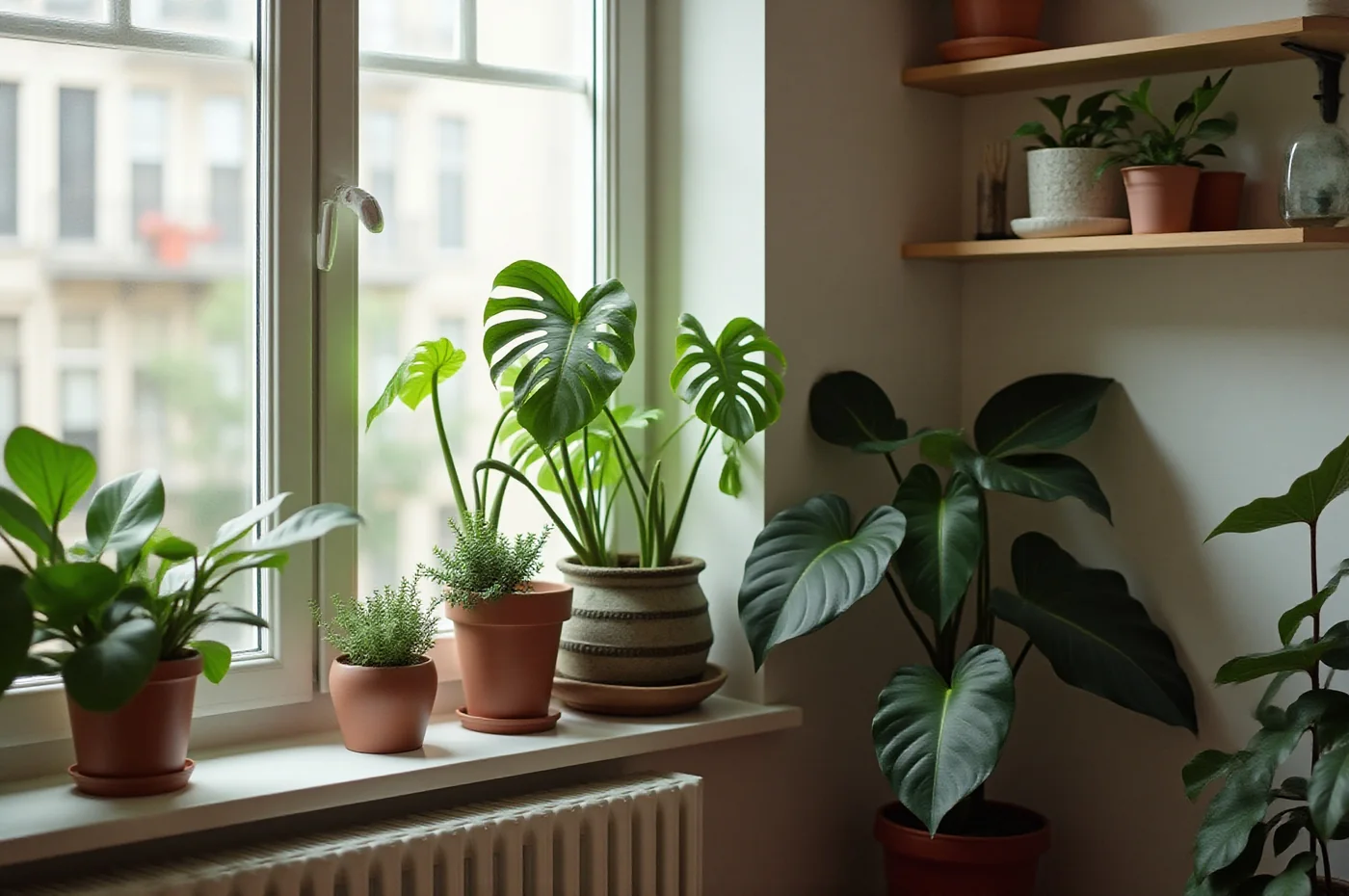
In the UK, a south-facing window gets the strongest light and direct sun for much of the day. It suits succulents, cacti, a jade plant or a bird of paradise sitting right on the sill, though in the height of summer thin-leaved plants such as calatheas or ferns can scorch there. Pull those back a metre or so, or hang a sheer curtain. East-facing windows give gentle morning sun and are close to ideal for most common houseplants: monstera, pothos, peace lily, rubber plant and many ferns all do well within arm's reach of the glass.
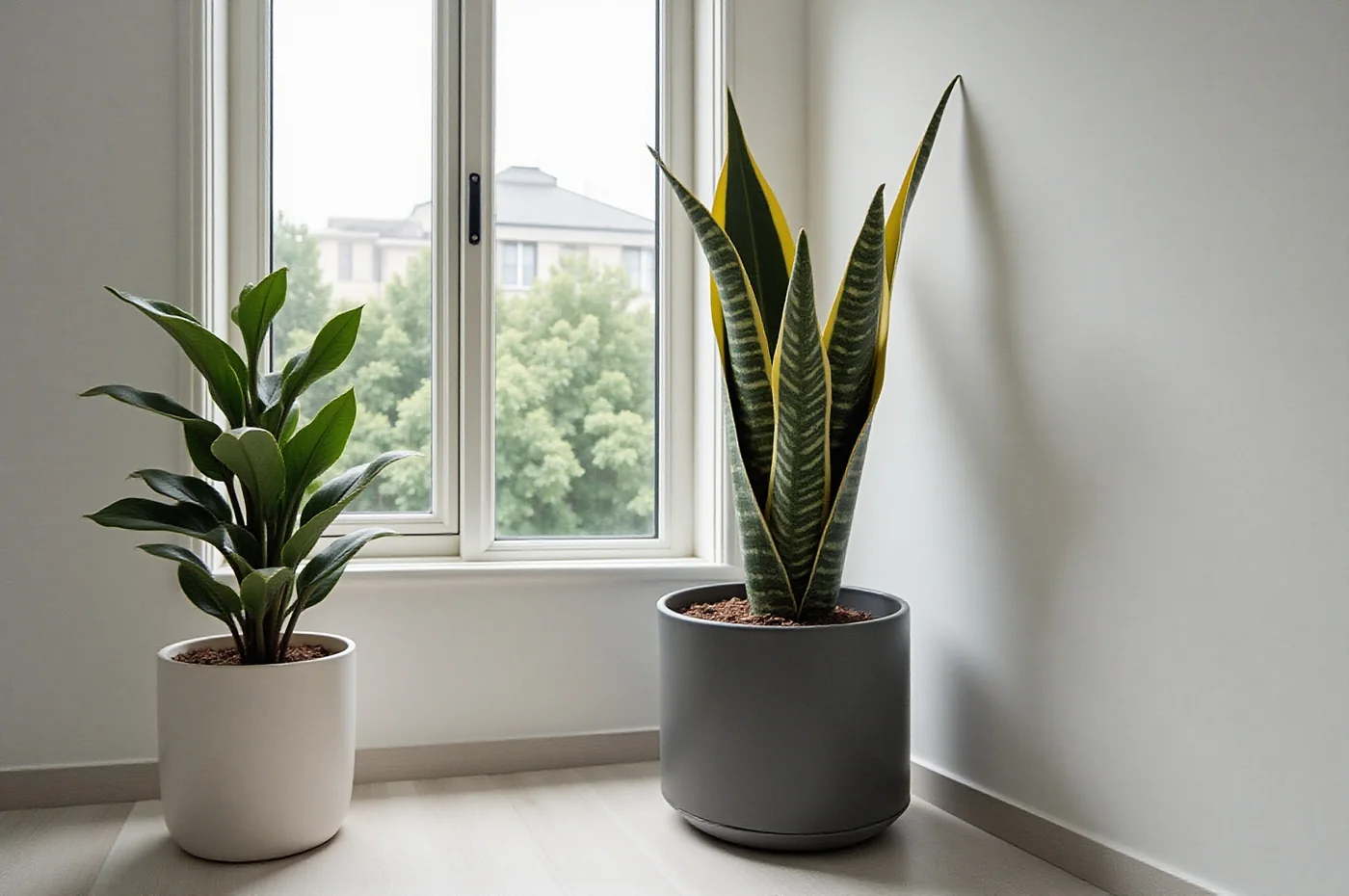
West-facing windows give softer light in the morning and warmer, stronger sun in the afternoon, which can be hotter than it looks through glass in summer; treat them roughly like a slightly gentler south window. North-facing windows never get direct sun, and in winter the light is very weak. Here, choose plants that tolerate shade, such as snake plant, ZZ plant, cast iron plant, pothos and some philodendrons, and keep them as close to the window as possible. Light drops off sharply as you move away from the glass, so a plant two metres back from a north window is effectively in a dim cupboard. Clean windows and wiping dust off leaves every so often both help more than you might expect.
Watering by feel, and why overwatering is the usual culprit
Roots need air as well as water. When compost stays wet for days on end, the air is pushed out and the roots begin to rot, and the plant then wilts as if it were thirsty. That is why so many houseplants are lost to kindness. Instead of watering on a fixed day, check the compost: push a finger in, or lift the pot and get used to how heavy it feels when freshly watered compared with when it is dry. A light pot is a thirsty pot.
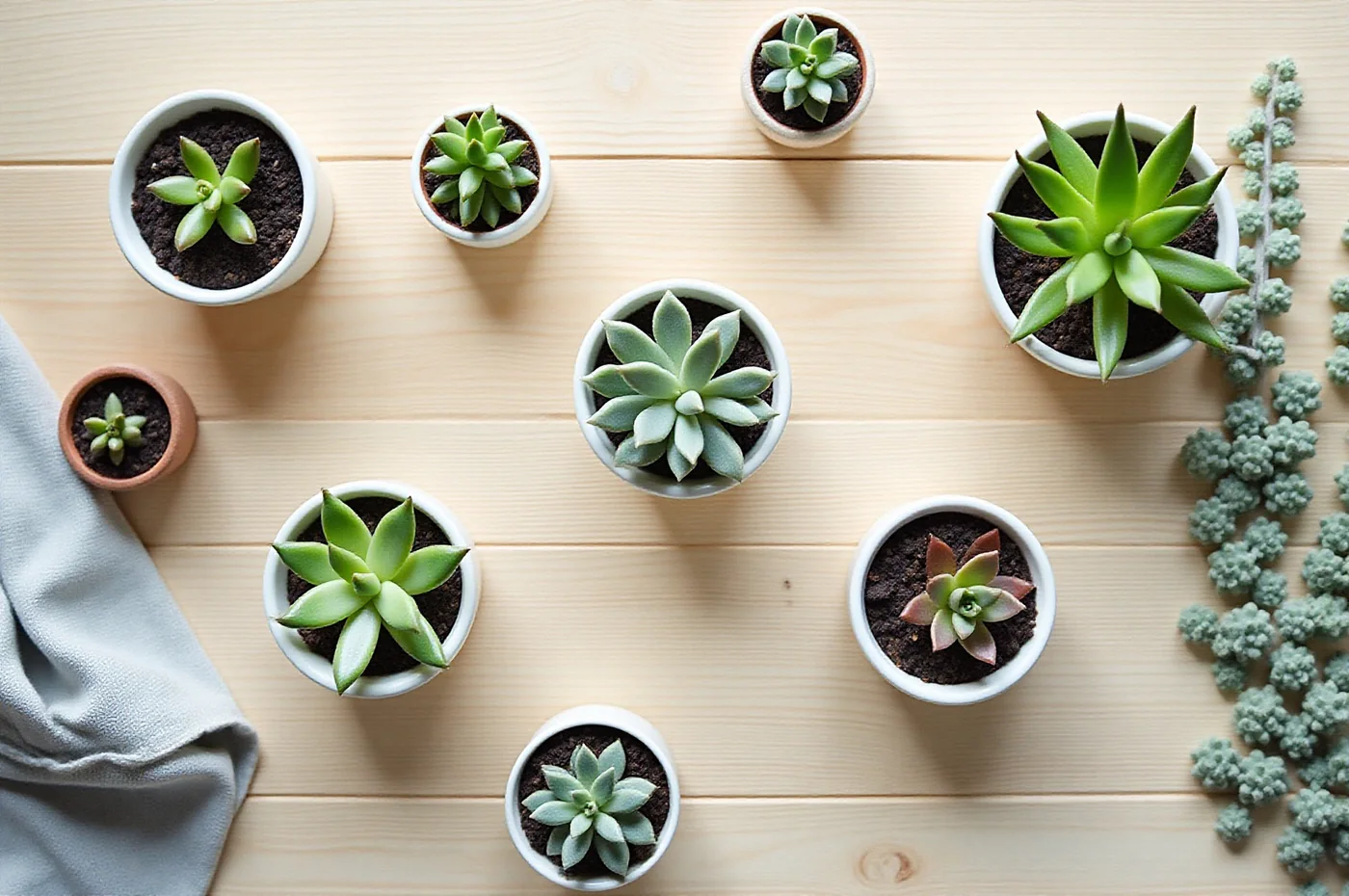
When you do water, water properly. Pour slowly until water runs out of the drainage holes, let it drain for a few minutes, then empty the saucer or outer pot so the plant is not standing in a puddle. Most leafy tropical plants like the top few centimetres to dry out between waterings; succulents, cacti, snake plants and ZZ plants prefer to dry out almost completely. Ferns and calatheas like to stay just barely moist, never soggy. In winter, when light is low and growth slows, nearly everything needs water far less often, so keep checking rather than keeping up your summer routine. Pots with no drainage hole are best used as decorative covers with a plastic nursery pot inside.
Repotting, cuttings, humidity and pests
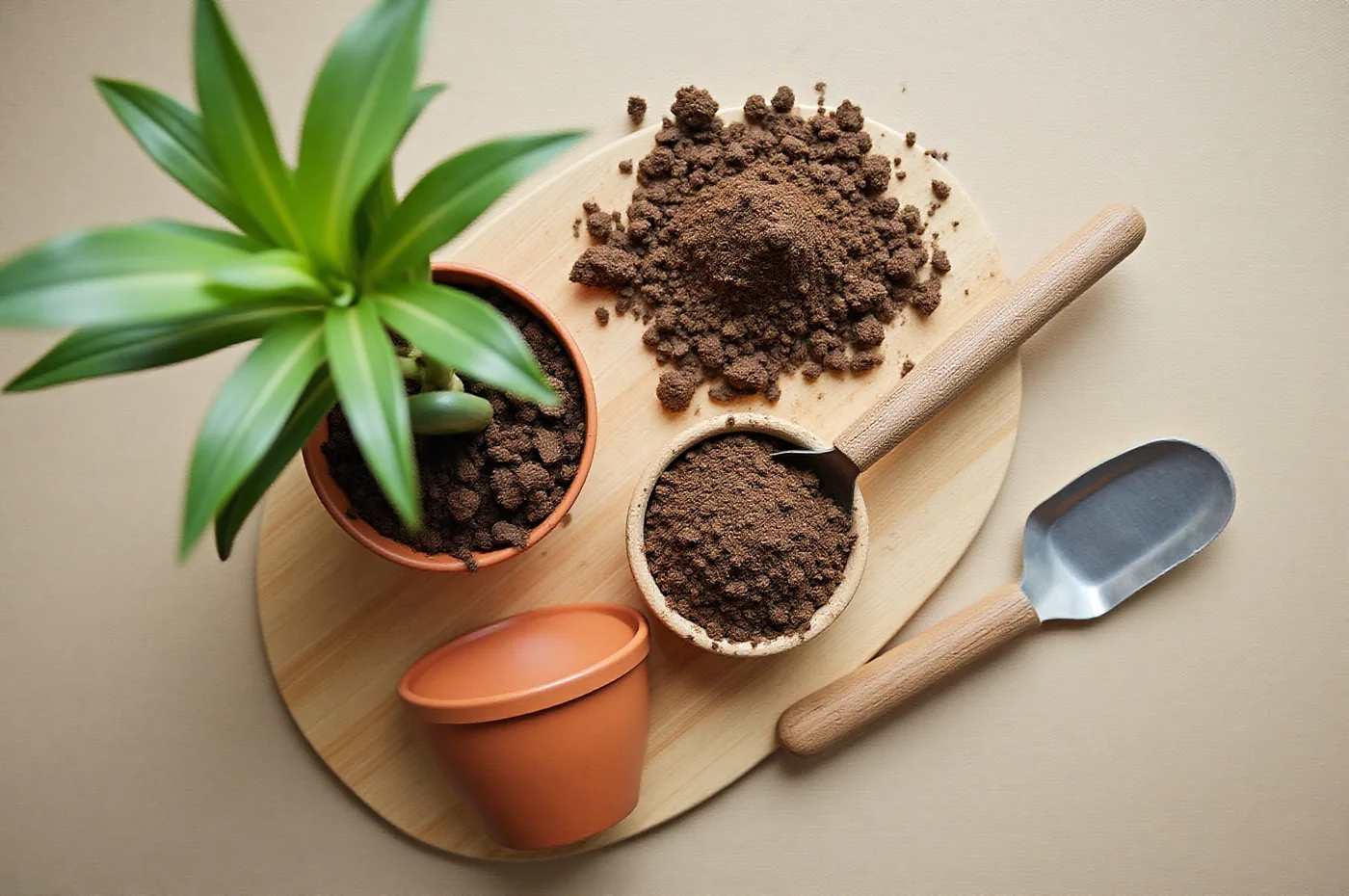
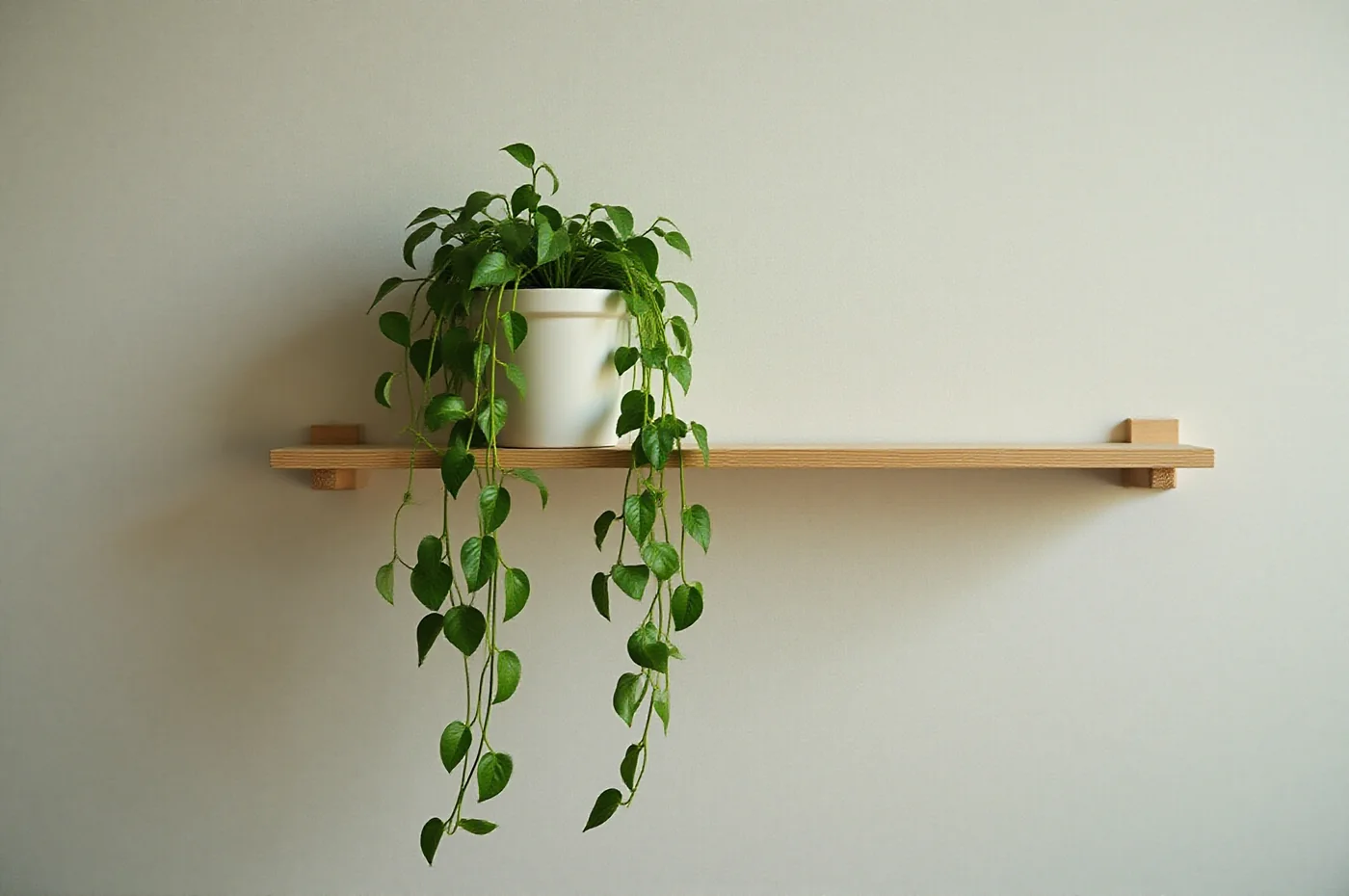
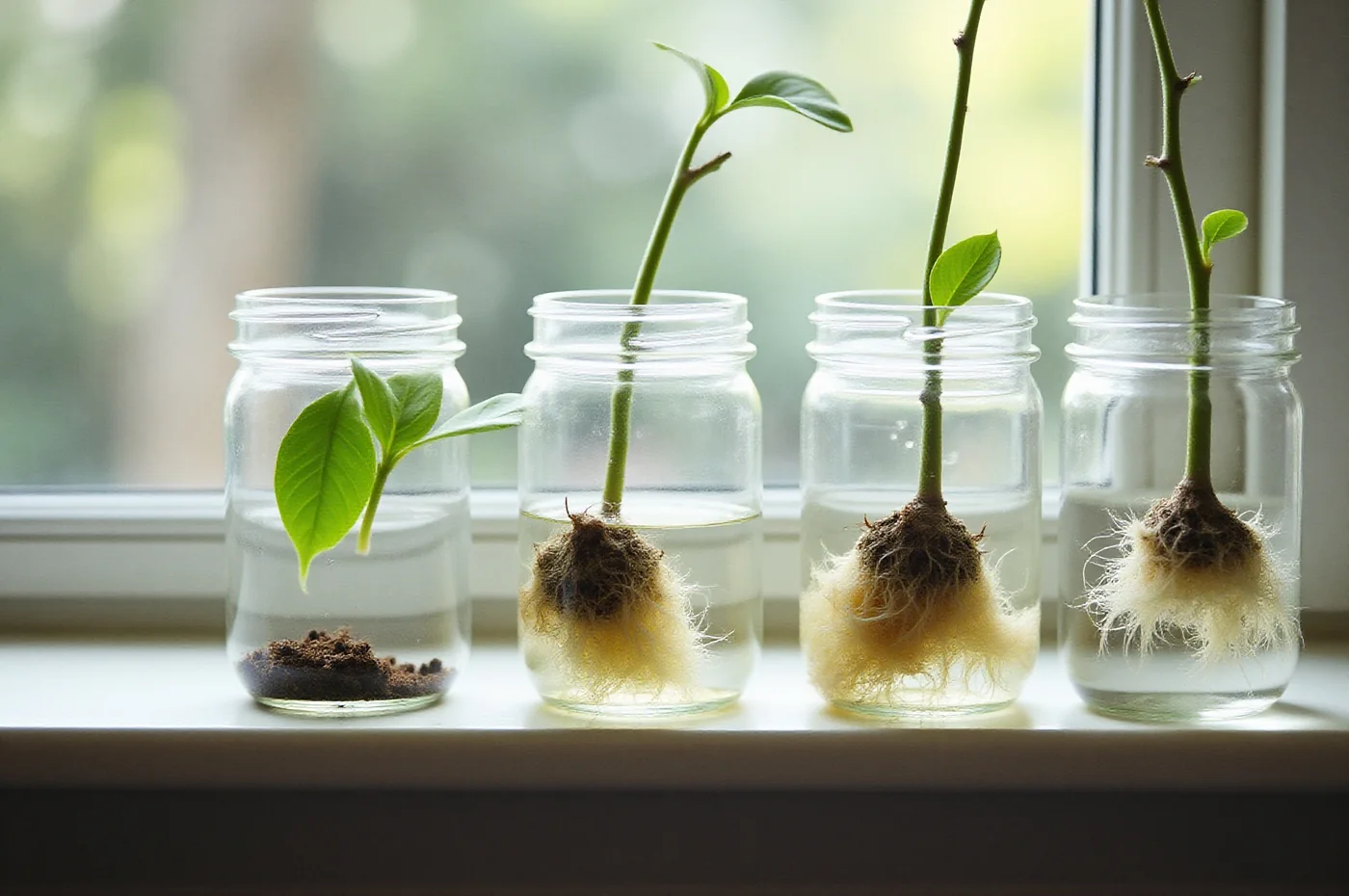
Repot in spring or early summer when a plant is growing, and only when it needs it: roots circling the bottom, roots coming out of the drainage holes, or water running straight through because there is more root than compost. Go up just one pot size, a few centimetres wider, because a pot that is far too big holds wet compost the roots cannot reach. Use a free-draining houseplant mix; adding a handful of perlite or fine bark helps most leafy plants, and cacti want a gritty mix. Pothos, philodendron, tradescantia and monstera are easy to propagate: cut a stem just below a node, the small bump where a leaf joins, put it in a jar of water on a bright sill, change the water weekly and pot it up once the roots are a few centimetres long.
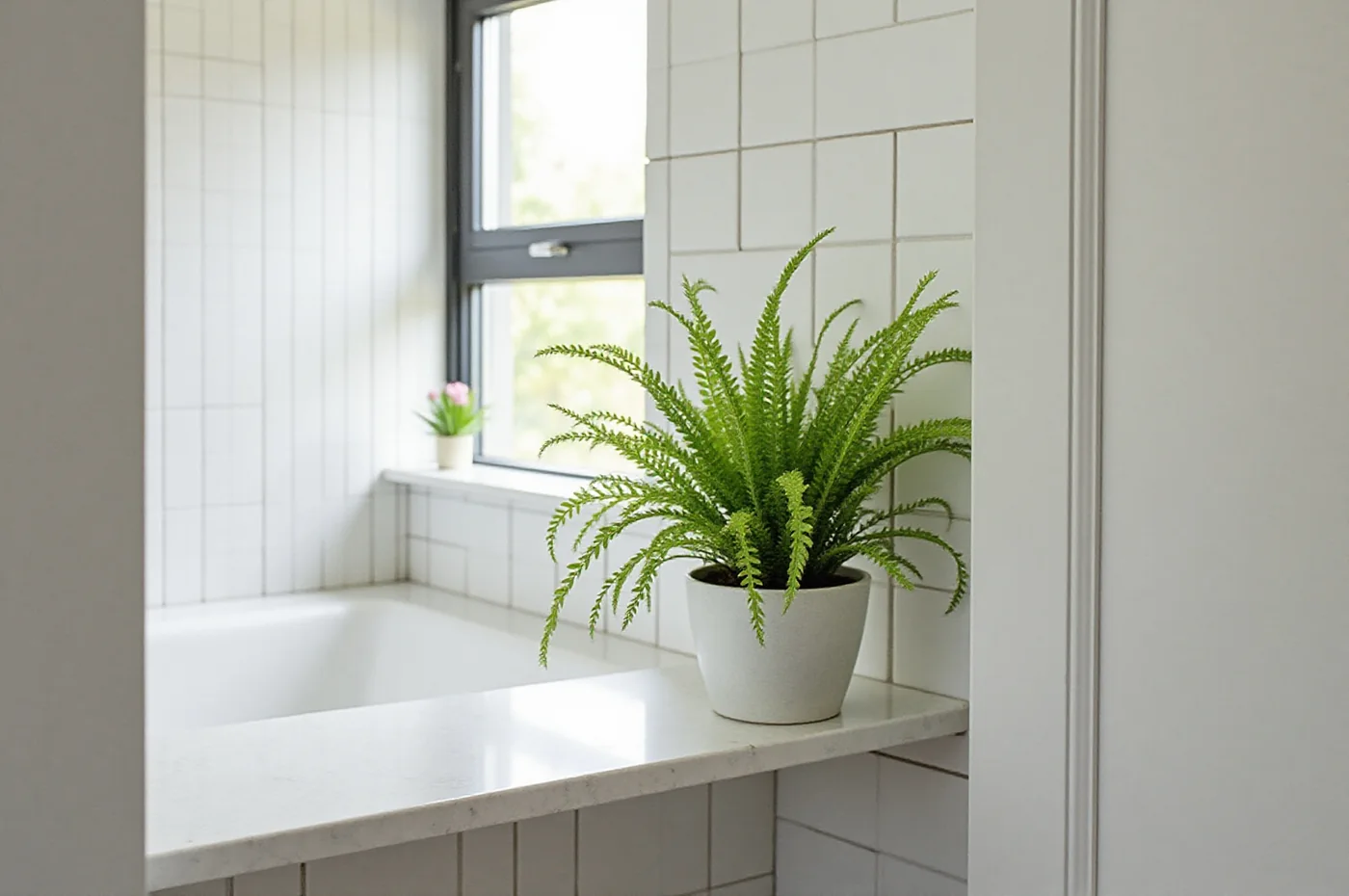
Centrally heated flats are dry in winter. Grouping plants together, standing pots on a tray of damp pebbles and moving humidity lovers such as ferns and calatheas into a bright bathroom all help; misting feels nice but the effect lasts only minutes. As for pests, check under leaves when you water. Tiny moving dots with fine webbing are usually spider mites, which love dry air; white fluffy blobs in leaf joints are mealybugs; small dark flies around the compost are fungus gnats, a sign it is staying too wet. Isolate an affected plant, wipe leaves with a damp cloth or give it a lukewarm shower, pick off the worst leaves, and for gnats let the compost dry out more between waterings. If a gentle approach does not work, a plain insecticidal soap from a garden centre, used as the label directs, is the usual next step.